


Managing Truck Engine Overheating
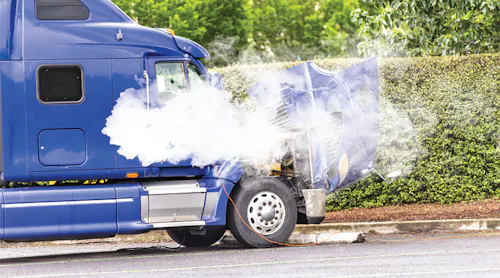
Overheating in truck engines is a frequent issue that can result in expensive repairs and unanticipated downtime. Understanding the root reasons and putting the right fixes in place is crucial if you're a truck owner or operator who wants to keep your vehicle performing well and lasting a long time. In this post, we'll examine the typical reasons truck engines overheat and offer sensible strategies to handle the problem.
Lack of Coolant Level
A lack of coolant is one of the main reasons why engines overheat. Check the coolant reservoir on your truck frequently, and top it off as necessary. Make sure the coolant combination meets the requirements of your truck.
Leaky Cooling Systems
Overheating can result from cooling system leaks, such as a radiator that is damaged or a malfunctioning hose. Regularly check the cooling system, and deal with any leaks right away. To repair or replace broken components, seek professional assistance.
Ineffective Thermostat
A broken thermostat can obstruct coolant flow, which overheats the engine. Unusual temperature readings on your truck's gauge could be an indication of a broken thermostat. Have it checked out and replaced if required.
Clogged Radiator
Engine overheating happens as a result of improper airflow and cooling caused by a clogged radiator. Clean the radiator frequently, and look for accumulations of debris or sediment. To ensure peak performance, take into account hiring a professional radiator flushing service.
Faulty Water Pump
To control temperature, the water pump moves coolant through the engine. Overheating might result from a malfunctioning water pump, which obstructs cooling. Have your water pump checked out regularly, and replace it if it starts to malfunction.
Issues with Fans or Fan Belts
Insufficient cooling can be caused by a broken fan or a fan belt that is worn out. Make sure the fan belt is correctly tensioned and in good condition and inspect the fan blades for damage. Replace any broken parts right away.
Insufficient Lubrication
Engine overheating can result from inadequate or poor lubrication which increases engine friction and heat. Use the specified lubricants for your truck and adhere to the manufacturer's recommendations for oil change intervals.
Conclusion
Proactive maintenance and quick response to possible problems is necessary for controlling truck engine overheating. Engine overheating can be avoided by routinely checking your truck's cooling system, keeping an eye on coolant levels, and taking care of any malfunctioning symptoms. Call the Tacoma Truck Repair Center at (253) 210-5500 if you require expert truck repair services. Our experts have the knowledge to identify and fix engine overheating issues, ensuring your truck runs effectively and dependably. Count on us to keep your truck on the road and prevent expensive engine overheating repairs.